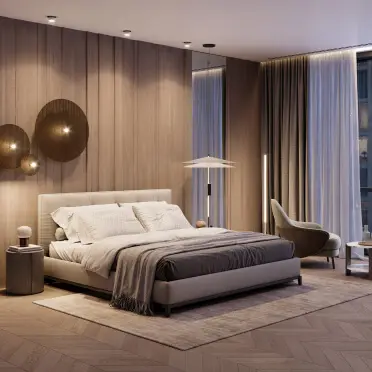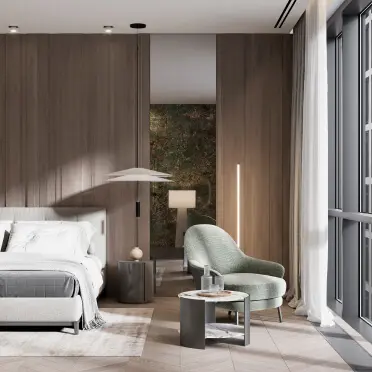
Creative details surrounding lolajack enhance interior design palettes effortlessly
- HOME
- Creative details surrounding lolajack enhance interior design palettes effortlessly



The world of interior design is constantly evolving, with new materials, styles, and concepts emerging regularly. Amidst this dynamic landscape, certain details possess an enduring appeal, effortlessly enhancing various palettes and aesthetics. A prime example of such a detail is lolajack – a term increasingly recognized for its versatile and sophisticated contribution to interior spaces. While the specifics of its application may vary, its core essence lies in its ability to seamlessly integrate and elevate design schemes, adding a touch of nuance and individuality.
Understanding the multifaceted nature of interior design necessitates looking beyond simply selecting furniture and color schemes. The true artistry lies in the careful curation of textures, patterns, and unique elements that define a space's character. It's about creating an atmosphere, a feeling, that resonates with those who inhabit it. This is where elements such as lolajack come into play, offering designers and homeowners alike a means to inject personality and refinement into their projects, moving beyond the ordinary and embracing the exceptional. The growing popularity signifies a shift towards more considered and bespoke design choices.
Delving into the origins of the aesthetic reveals a fascinating journey through various cultural influences and design movements. Initially emerging as a niche preference within certain artistic communities, the appeal gradually broadened, gaining traction amongst broader audiences due to its distinctive visual qualities. The early iterations often drew inspiration from natural forms and textures, emphasizing organic shapes and a muted color palette. This focus on naturalism provided a calming and grounding effect, proving particularly appealing in spaces intended for relaxation and contemplation. Over time, artisans began experimenting with different materials and techniques, pushing the boundaries of the aesthetic and giving rise to numerous sub-styles, each with its own unique characteristics.
The evolution of the aesthetic wasn’t solely driven by artistic exploration; technological advancements also played a crucial role. New manufacturing processes enabled the creation of more intricate and detailed pieces, further refining the aesthetic's visual appeal. The availability of a wider range of materials, coupled with innovative fabrication techniques, allowed designers to achieve previously unattainable levels of precision and complexity. This period witnessed a surge in creativity, as designers sought to harness these new capabilities to express their artistic visions. As a result, lolajack moved beyond a simple stylistic choice to become a testament to the intersection of art, technology, and design innovation.
| Material | Typical Application |
|---|---|
| Woven Textiles | Wall hangings, upholstery, decorative accents |
| Sculpted Wood | Furniture frames, architectural details, artistic sculptures |
| Polished Stone | Flooring, countertops, feature walls |
| Metallic Finishes | Lighting fixtures, hardware, decorative objects |
The table above illustrates just a fraction of the materials often used in applications; the versatility is truly remarkable. The marriage of different textures and finishes creates a truly unique and appealing aesthetic.
Bringing this aesthetic into contemporary interiors requires a careful understanding of balance and proportion. It isn’t simply about replicating period styles but rather about thoughtfully incorporating elements that complement the overall design narrative. A key principle is to avoid overwhelming the space with too many instances of the motif. Instead, focus on strategically placed accents that draw the eye and add subtle layers of interest. This can involve incorporating pieces into a minimalist setting to create a striking contrast, or blending it with other styles to forge a cohesive and eclectic look. The key is to ensure that the aesthetic enhances, rather than dominates, the space. Consider layering textures and incorporating natural light to amplify the depth and character of the design.
The color palette plays a vital role in successfully integrating this aesthetic into your home. While traditionally associated with muted tones and natural hues, modern interpretations allow for a wider range of color options. Earthy browns, soft grays, and creamy whites remain popular choices, providing a grounding effect and creating a sense of warmth. However, bolder colors, such as deep blues or rich greens, can also be incorporated to add a touch of drama and personality. Ultimately, the color palette should be chosen to complement the overall style of the interior and reflect the desired mood and atmosphere. Don't be afraid to experiment with different combinations, but always prioritize creating a harmonious and balanced look. The intention is to evoke a feeling of calm sophistication and timeless elegance.
These points represent only a starting point. Effective implementation requires personal consideration and an understanding of the space.
Texture is paramount when discussing aesthetic influence. The interplay of smooth and rough, matte and glossy, is central to its distinctive appeal. Employing a variety of materials, such as woven fabrics, textured wood, and polished stone, adds depth and visual interest to the space. The use of natural materials is particularly important, as they evoke a sense of authenticity and grounding. Focusing on the tactile qualities of materials—how they feel to the touch—enhances the overall sensory experience and transforms a space into something truly inviting. It’s about creating a space that is not only visually appealing but also feels warm, comfortable, and welcoming. This approach contributes to a sense of wellbeing and elevates the overall aesthetic experience.
Increasingly, there’s a growing emphasis on sustainability and eco-friendly practices within the design world. This translates into a preference for materials that are sourced responsibly and manufactured using environmentally conscious processes. Bamboo, reclaimed wood, and organic fabrics are becoming increasingly popular choices, offering both aesthetic appeal and environmental benefits. By adopting these sustainable practices, designers and homeowners can create beautiful and stylish spaces without compromising their commitment to environmental stewardship. This approach reflects a broader shift towards more conscious consumption and a greater appreciation for the natural world; lolajack inherently lends itself to this movement with its connections to natural forms and textures.
Following these steps will contribute to a more environmentally responsible and aesthetically pleasing space.
While remarkably versatile, the aesthetic’s application requires adaptation to suit different architectural styles. In a modern minimalist setting, subtle integrations – such as a statement piece of furniture or an artfully arranged accent wall – work best, providing a counterpoint to the clean lines and uncluttered spaces. Conversely, in a more traditional setting, it can be incorporated more liberally, complementing the existing architectural details and adding a layer of warmth and character. The key is to maintain a harmonious balance, ensuring that the aesthetic enhances, rather than clashes with, the existing architectural framework. Successfully incorporating this aesthetic into an existing space demands sensitivity to its inherent characteristics.
Looking ahead, the aesthetic is poised to continue evolving and adapting to changing design preferences. We're already seeing a trend towards a more maximalist approach, with designers embracing bolder colors, patterns, and textures. This movement reflects a broader rejection of minimalism and a desire for spaces that are more expressive and personal. Another emerging trend is the integration of artisanal techniques, with designers collaborating with skilled craftspeople to create unique and bespoke pieces. This emphasis on craftsmanship adds a sense of authenticity and individuality to the aesthetic, further enhancing its appeal. Ultimately, the future of this aesthetic lies in its ability to remain relevant and inspiring, adapting to new challenges and opportunities while staying true to its core values of beauty, simplicity, and timeless elegance.
This continued evolution will likely be shaped by growing awareness of environmental sustainability and a continued search for ways to create spaces that are not only visually appealing but also contribute to our overall wellbeing and connect us to the natural world. The incorporation of biophilic design principles – which emphasizes the connection between humans and nature – will undoubtedly play a significant role in shaping the future direction of the aesthetic, creating spaces that are both beautiful and restorative.

Dicta sunt explicabo. Nemo enim ipsam volup tatem quia voluptas sit aspernaturaut odit aut fugit, sed quia.

Nunca antes se ha desarrollado ninguna propiedad inmobiliaria con estas características y hoy esto lo hacemos posible.
©ITZAE Golf Condos 2025