Detailed_interiors_and_bespoke_design_featuring_https_thebonrushs_co_uk_for_last
- HOME
- Detailed_interiors_and_bespoke_design_featuring_https_thebonrushs_co_uk_for_last



The pursuit of beautiful and functional interior spaces is a cornerstone of modern living and commercial design. Creating an atmosphere that is both aesthetically pleasing and conducive to its intended purpose requires careful planning, skilled execution, and a keen eye for detail. For those seeking to elevate their surroundings, exploring options for detailed interiors and bespoke design services is paramount. Many individuals and businesses are turning to specialists like those found at https://thebonrushs.co.uk to bring their visions to life, transforming spaces into lasting expressions of style and comfort. The impact of thoughtful design extends far beyond mere appearance, influencing mood, productivity, and overall well-being.
Bespoke design isn’t simply about choosing colours and furniture; it’s a collaborative process that begins with understanding the client's needs, preferences, and the unique characteristics of the space itself. This personalized approach allows for the creation of truly individual interiors that reflect the personality or brand identity of those who inhabit them. From initial concept development to project management and installation, a dedicated design team provides expertise and guidance every step of the way. The ultimate goal is to deliver a result that not only meets but exceeds expectations, creating a space that is both beautiful and functional for years to come. This is the promise held by companies dedicated to providing meticulous and tailored interior solutions.
Detailed interior planning is the foundation upon which stunning and effective spaces are built. It’s a comprehensive process that involves considering every aspect of the environment, from the layout and flow of rooms to the selection of materials, finishes, and furnishings. Without careful planning, even the most beautiful individual elements can feel disjointed and lack cohesion. A well-planned interior maximizes space utilization, enhances functionality, and creates a harmonious atmosphere. It’s about more than just making a space look good; it’s about making it work well for the people who use it. This involves a deep understanding of spatial dynamics, lighting principles, and the psychological impact of color and texture. Effective planning anticipates needs and proactively addresses potential challenges, ensuring a smooth and successful project.
Before any physical changes are made, the creation of mood boards and conceptual designs is a crucial step in the planning process. These visual representations allow clients to explore different aesthetics, color palettes, and material combinations. Mood boards serve as a tangible starting point for discussion and refinement, ensuring that the final design aligns perfectly with the client’s vision. Conceptual designs go a step further, providing 3D renderings or sketches that illustrate how the space will look and feel once completed. This allows for a more realistic preview and helps to identify any potential issues or areas for improvement before resources are committed. A clear conceptual framework prevents costly revisions and ensures client satisfaction throughout the project.
| Design Element | Importance Level |
|---|---|
| Space Planning | High |
| Material Selection | High |
| Lighting Design | Medium-High |
| Color Palette | Medium |
The importance of these elements is not static; it adapts to the style of the project. A minimalist design prioritizes space planning and material selection, whereas a more maximalist aesthetic might emphasize color and decorative elements. Understanding the interplay between these components and tailoring them to the specific needs of the project is what separates good design from great design.
Bespoke design distinguishes itself from off-the-shelf solutions by focusing on complete customization. It acknowledges that every client, space, and project is unique, demanding a tailor-made approach. This means moving beyond standard options and creating elements specifically designed to fit the client’s requirements and preferences. Bespoke design considers not only aesthetic preferences but also functional needs, lifestyle, and the overall character of the building. The result is an interior that feels truly personal and integrated, reflecting the client’s individuality. This level of personalization also allows for optimal utilization of space, especially in challenging or unusually shaped rooms.
A key element of bespoke design is the creation of custom furniture and fittings. This offers several advantages over purchasing pre-made pieces. Custom pieces can be designed to perfectly fit the available space, maximizing functionality and creating a seamless aesthetic. They also allow for greater control over materials, finishes, and details, ensuring that every element complements the overall design. Furthermore, custom furniture can be built to meet specific ergonomic requirements or accommodate unique storage needs. This level of customization is particularly valuable for clients with specific tastes or those seeking to create a truly distinctive interior. It is an investment which allows a greater flexibility than limiting decisions to off-the-shelf products.
The investment in custom-made items is typically higher, but the long-term benefits in terms of functionality, aesthetics, and durability justify the expense. A well-crafted custom piece will outlast many mass-produced alternatives and add significant value to the property.
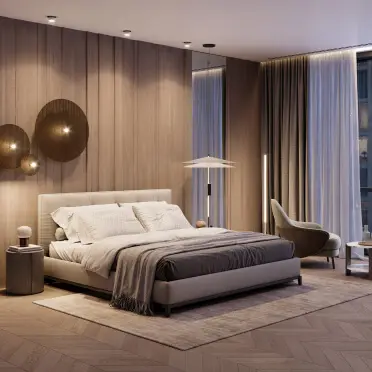
Lighting is often referred to as the “fourth dimension” of interior design because of its profound impact on the perception of space, mood, and functionality. A well-lit interior enhances the beauty of architectural features, highlights artwork, and creates a welcoming atmosphere. However, lighting is not simply about illumination; it’s about creating layers of light that serve different purposes. Ambient lighting provides overall illumination, task lighting focuses on specific areas for activities like reading or cooking, and accent lighting highlights architectural details or artwork. The strategic combination of these types of lighting is essential for creating a balanced and visually appealing space. Ignoring one element can make even the best design feel flat and incomplete.
Selecting the right light fixtures and color temperature is critical for achieving the desired effect. Different types of fixtures – chandeliers, pendants, recessed lighting, and sconces – offer varying levels of illumination and create different aesthetic impressions. Color temperature, measured in Kelvin (K), refers to the warmth or coolness of the light. Warmer temperatures (2700K-3000K) create a cozy and inviting atmosphere, while cooler temperatures (4000K-5000K) are more energizing and suitable for task-oriented spaces. The best approach is to consider the purpose of the room and the desired mood when selecting light fixtures and color temperatures. Understanding the interplay of color temperature and fixture style results in a space that is not only well-lit but also aesthetically cohesive.
Layering is one of the key aspects. Relying on a single source of light can eliminate shadows and make a space feel sterile. A successful lighting scheme uses multiple sources to create a more dynamic and visually interesting environment.
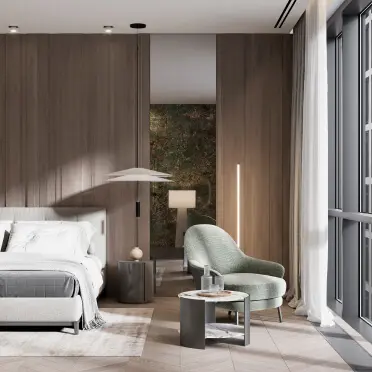
The selection of materials and textures plays a crucial role in creating depth, visual interest, and a tactile experience within an interior space. Combining different materials – wood, metal, glass, fabric, and stone – adds layers of complexity and prevents the space from feeling monotonous. Texture, whether rough or smooth, matte or glossy, also contributes to the overall aesthetic and sensory appeal. Mixing different textures creates contrast and invites touch, making the space feel more inviting and engaging. The choice of materials should also consider durability, maintenance, and sustainability. Investing in high-quality materials will ensure that the space remains beautiful and functional for years to come.
The way in which materials are applied is at least as important as the materials themselves. The direction of wood grain, the pattern of a tile installation, or the drape of a fabric can all significantly impact the visual effect. Attention to detail at every stage of the design process is what elevates a space from ordinary to extraordinary. Considerations of practicality are just as important, with some surfaces holding up better to heavy usage than others.
The world of interior design is constantly evolving, driven by changing lifestyles, technological advancements, and a growing awareness of environmental issues. Currently, there's a clear trend towards biophilic design, incorporating natural elements such as plants, natural light, and organic materials to create spaces that promote well-being and connection with nature. There is also an increasing demand for multifunctional spaces that can adapt to different needs, reflecting the changing ways in which people live and work. Sustainability is also becoming a central focus, with designers prioritizing eco-friendly materials, energy-efficient lighting, and responsible sourcing. This involves selecting materials with low volatile organic compound (VOC) emissions, supporting local artisans, and minimizing waste.
The demand for personalization will only continue to increase, with clients desiring spaces that truly reflect their individual style and values. Companies like https://thebonrushs.co.uk are at the forefront of these trends, offering innovative design solutions that are both beautiful and sustainable, representing a commitment to both aesthetic excellence and responsible living. The future of interior design lies in creating spaces that are not only visually appealing but also contribute to a healthier and more sustainable world.

Dicta sunt explicabo. Nemo enim ipsam volup tatem quia voluptas sit aspernaturaut odit aut fugit, sed quia.


Nunca antes se ha desarrollado ninguna propiedad inmobiliaria con estas características y hoy esto lo hacemos posible.
©ITZAE Golf Condos 2025